The Old Phone in Your Drawer Could Have Been a Robot Bird
African Robots brings wire art and retired cellphone parts to life — a reminder that fresh creative ideas can start with the skills and materials already around us.
Al Chapo Tshabalala — 4 min
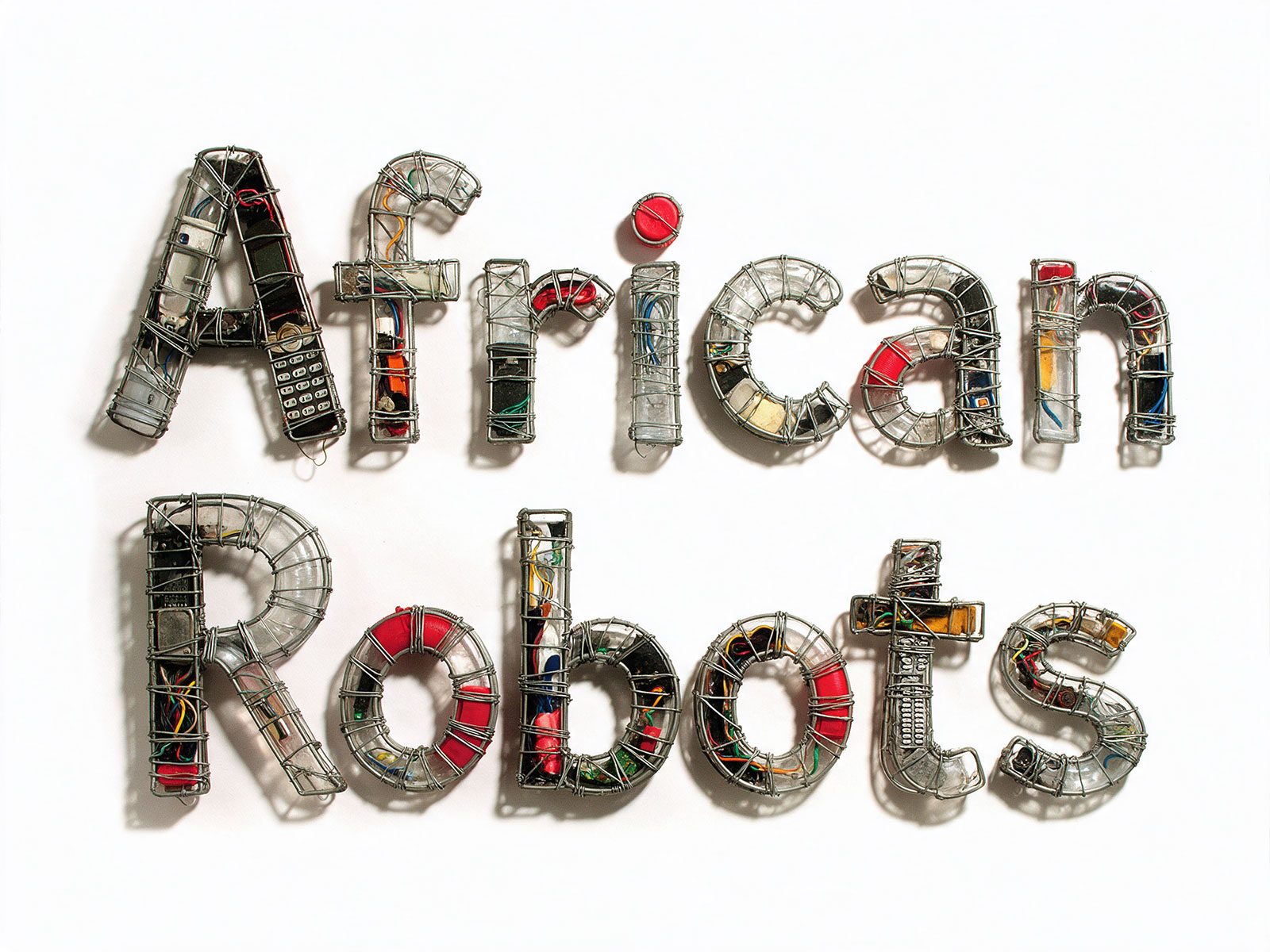
There is something deeply pleasing about an old cellphone getting a second career as part of a robot bird. Most of us retire a handset to a drawer, alongside three mystery chargers and the firm belief that we will sort them out on Saturday.
African Robots found a rather more interesting possibility.
The art project connects street wire art with electronics, opening up a world where handmade creatures can move, light up and make sound. It is a creative idea with a lovely invitation tucked inside it: look again at the skills and materials around you. They may have more to say.
A bird with an unexpected inside story
According to African Robots' account of its beginnings, the project began exploring its first robot, Starling 1.0, in Cape Town in 2013. The wire bird used Nokia cellphone parts and inexpensive electronic components, with moving wings, illuminated eyes and a call that responded to light.
The account credits Ralph Borland, assisted by design intern Henrik Nieratschker, with its design, and wire artist Dube Chipangura with constructing the wire form.
Pause on that combination. Sculpture, electronics and the ability to turn wire into a convincing bird all have a job to do. Nobody's contribution can be replaced by adding the word “innovative” to the presentation.
The resulting creature also offers a refreshing picture of invention. We are allowed to imagine technology with texture, character and a recognisable local starting point. The future can have feathers. It does not have to resemble an expensive fridge.
The skill was already there
The project's people page describes a group working mainly in Cape Town, led by artist and curator Ralph Borland, with independent wire artists and technical and creative collaborators.
Among those collaborators is master wire artist Lewis Kaluzi, who grew up in Zimbabwe and made wire cars as a child. Farai Kanyemba, also from Zimbabwe and working in Cape Town, has contributed to the project's major works; the page describes his finely woven, three-metre wire shark as an influence on Dubship I.
Those details matter. A collaboration becomes much more interesting when we know who brings the skill. “Local craft” is a category. A person who can build a shark from wire is somebody you would quite like to meet.
For an agency looking for a fresh idea, there is a useful question here: whose knowledge have we walked past because it did not arrive in a portfolio PDF?
That question should lead to a conversation, a clear agreement and proper credit. It should not lead to quietly copying someone's work and describing the result as inspiration.
Start small enough to learn something
African Robots says later Starling versions explored different technical approaches and offered opportunities to improve robustness and repairability. Its account also states that wire artists are paid for their work, with grants and commissions supporting the programme.
There is plenty for a creative team to take from that without pretending every campaign needs a robot.
Imagine, for example, an entirely fictional community arts event wanting an interactive welcome display. Before announcing an enormous installation, the organisers could commission a small experiment with a maker. Can a visitor understand what to do? Does the mechanism survive repeated use? Who will look after it during the event?
These are friendly questions to ask while the object still fits on a table. They become less friendly when somebody is standing on a ladder ten minutes before opening.
A small prototype gives a maker room to discover what the drawing did not tell them. It also gives everyone permission to change their minds for a good reason.
Big ideas need room for other people
The project's own overview traces a journey from the small bird to Dubship I, a six-metre music-making spaceship sculpture launched at Zeitz MOCAA in 2019. It also records selection for the Dakar Biennial in 2022.
That is a wonderful leap in scale. It is worth resisting the urge to turn it into a tidy formula, though. One successful artwork does not prove that a weekend experiment will transform every business. What it does offer is a reason to take a promising collaboration seriously.
Give the people involved time, resources and credit. Ask what they want to explore. Budget for making and testing, rather than spending everything on the announcement that making and testing will occur.
For another example of creative skills brought together around a practical idea, read how Book Dash turns a creative day into books for children. And for a reminder to understand visual references before borrowing them, try the rebrand heading into the family WhatsApp group.
There is real optimism in the thought that the next interesting idea might begin with someone nearby whose work we have not properly noticed yet.
If your team makes those connections, list your agency on CreH8ive and help people find the thinking behind the work. For more creative stories worth a second look, sign up for the newsletter.
As for that drawer of retired phones: no promises of a spaceship. But perhaps it deserves a more curious inspection this Saturday.
Keep reading
10 South African Inventors Who Made It Big While We Were Looking Somewhere Else
Al Chapo Tshabalala — 6 min
When the Client Says Everyone Is the Audience, Bring an Extra Chair
Al Chapo Tshabalala — 4 min
A Brilliant South African Idea Turns One Creative Day Into Books for Children
Al Chapo Tshabalala — 4 min