Who Invented the Vuvuzela? South Africa Has More Than One Answer
A fan’s bicycle horn, a company’s plastic version and an older tradition: the vuvuzela’s origin story deserves more than one hearing.
Al Chapo Tshabalala — 4 min
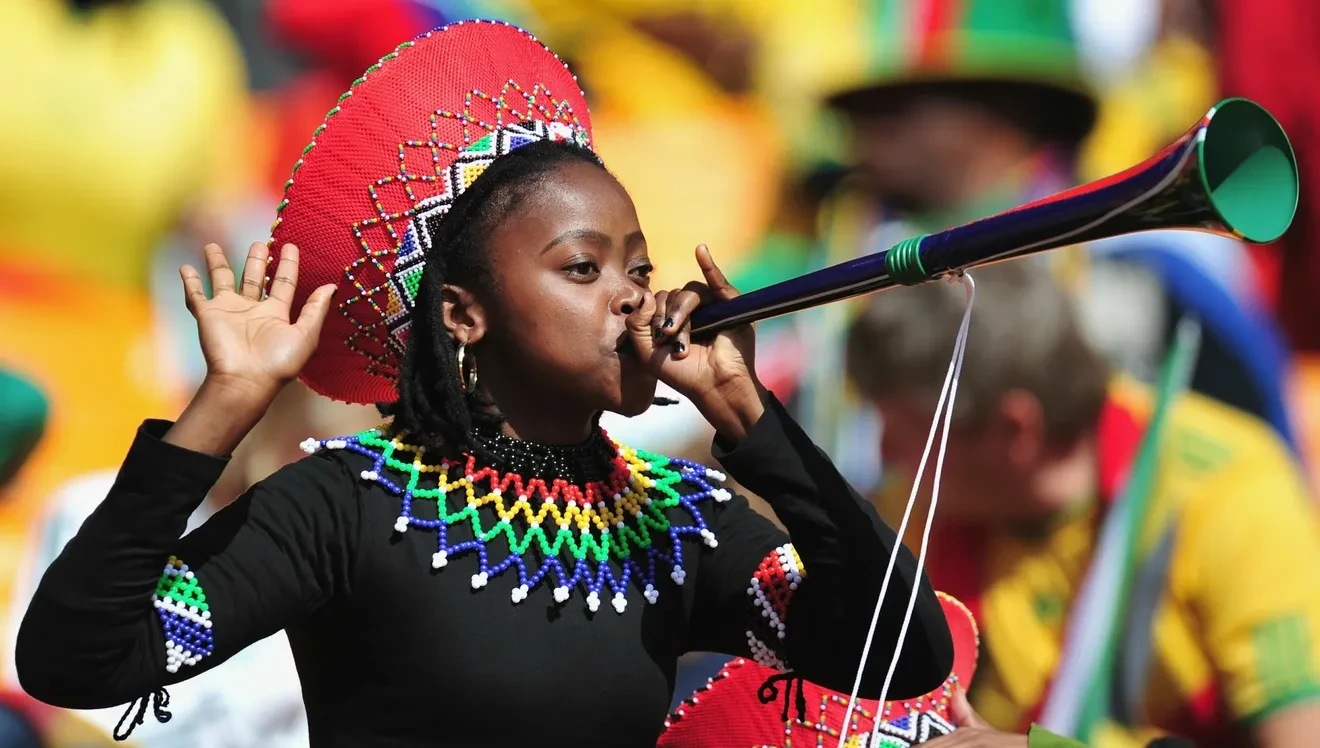
At the 2010 World Cup, you could walk away from the television, put the kettle on and still know the football was on. You couldn’t necessarily tell who had the ball. You could tell South Africa was hosting.
That long, flat blast came from a plastic horn with no batteries, no moving parts and very little interest in whether the commentator had finished his sentence. The world met the vuvuzela in 2010. South African football fans had known it for years.
So who invented it? That depends on whether you mean the horn a fan made for himself, the plastic one you could buy outside a stadium, or the tradition of blowing horns to bring people together. Those are three different stories, and each deserves a hearing. Admittedly, hearing anything else has always been the challenge.
The Kaizer Chiefs fan with a bicycle horn
Freddie “Saddam” Maake, a Kaizer Chiefs supporter from Tembisa, said his version began with a bicycle horn in 1965. In his interview with 99% Invisible, he describes adapting the horn and using it at matches to encourage the players. Older photographs show him with a metal horn, although they don’t settle whether he was the first person to make one.
What comes through in Maake’s account is how little his original purpose had to do with selling a product. He wanted to get behind his team. The horn gave him a way to make himself heard from the stands, where an ordinary voice can only carry so far. Supporting your side is already a full afternoon’s work. Maake saw no reason why it shouldn’t involve equipment.
The company that put plastic horns in more hands
The instrument that travelled the world was the moulded plastic version. Auckland Museum’s collection record credits the South African company Masincedane Sport with first producing the multicoloured, injection-moulded horns. Researcher Duane Jethro traces the company’s early development to the early 2000s, when Neil van Schalkwyk and his business partners took the idea into commercial production.
Making a horn for yourself and making one that thousands of people can buy are different achievements. The first takes a bit of ingenuity and a willingness to find out what happens when you blow into something designed for a bicycle. The second takes tooling, money and a way to get the finished horns to the people who want them.
Of course, somebody still had to teach the person who’d bought one how to get a sound out of it. If you ever tried and produced nothing but a sad rush of air, you’ll know that a vuvuzela is only simple once somebody else is blowing it.
The church that told an older story
There’s another claim, from a branch of the Nazareth Baptist Church, also known as the Shembe church. As Jethro documents, the church pointed to its own history of using horns in religious practice and disputed the idea that the instrument’s story began on the football terraces.
That claim takes us beyond who made the first plastic model. It asks whose traditions get remembered when something familiar in one community becomes famous around the world. The church’s account and Maake’s recollections give us reasons to be curious about that history. They don’t establish one undisputed inventor or a single line of descent from a ceremonial horn to the one sold at a match.
The fans made it the sound of a World Cup
By the 2009 Confederations Cup, the noise was already prompting calls for a ban from some broadcasters, coaches and players. A year later, it became part of the sound of the first men’s FIFA World Cup held in Africa. The Smithsonian’s account from the tournament captures the debate as it unfolded.
You can see why people heard it differently. A broadcaster has ninety minutes of commentary to get through. A fan has ninety minutes to make the team feel like the whole stand is behind them. Give both of them the same soundtrack and you’re going to get two very different reviews.
That’s why the origin story feels incomplete without the crowd. Maake’s ingenuity matters. So does the work of getting plastic horns into people’s hands, and the older traditions that complicate any neat claim of invention. But it was the fans who decided what to do with the thing, match after match, long before the rest of the world reached for the volume button.
If you enjoyed finding out how an ordinary object took on a life of its own, meet ten more South African inventors whose work made it big. Or sign up for The CreH8ive Times for more stories about the people behind familiar ideas.
You can read the next one while the kettle boils. This time, you’ll hear it click off.
Keep reading
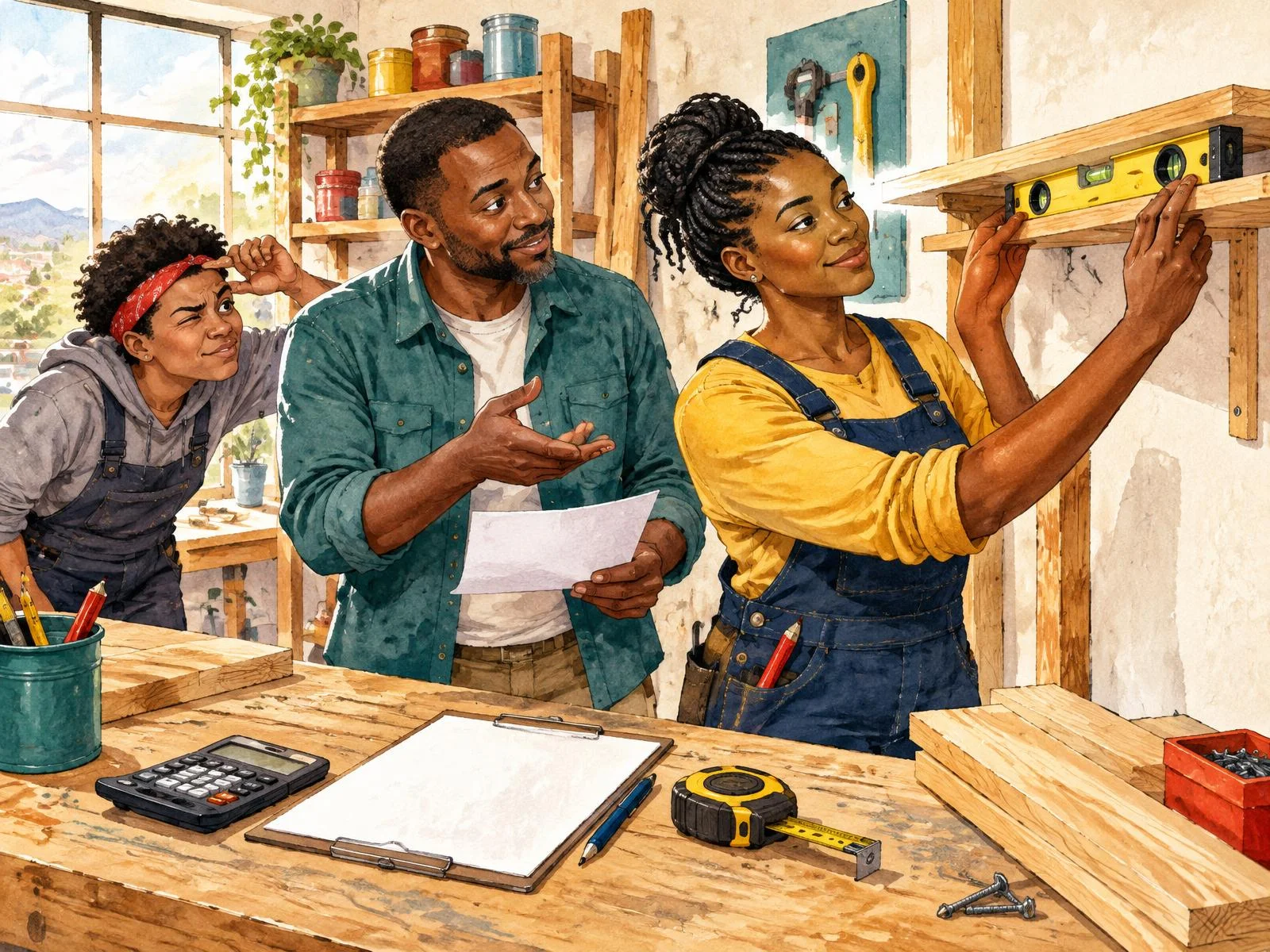
The South African Idea That Helps Tradespeople Build a Business
Fix Forward helps construction tradespeople turn practical skills into businesses, with training, coaching and support to get the work underway.
Al Chapo Tshabalala — 4 min
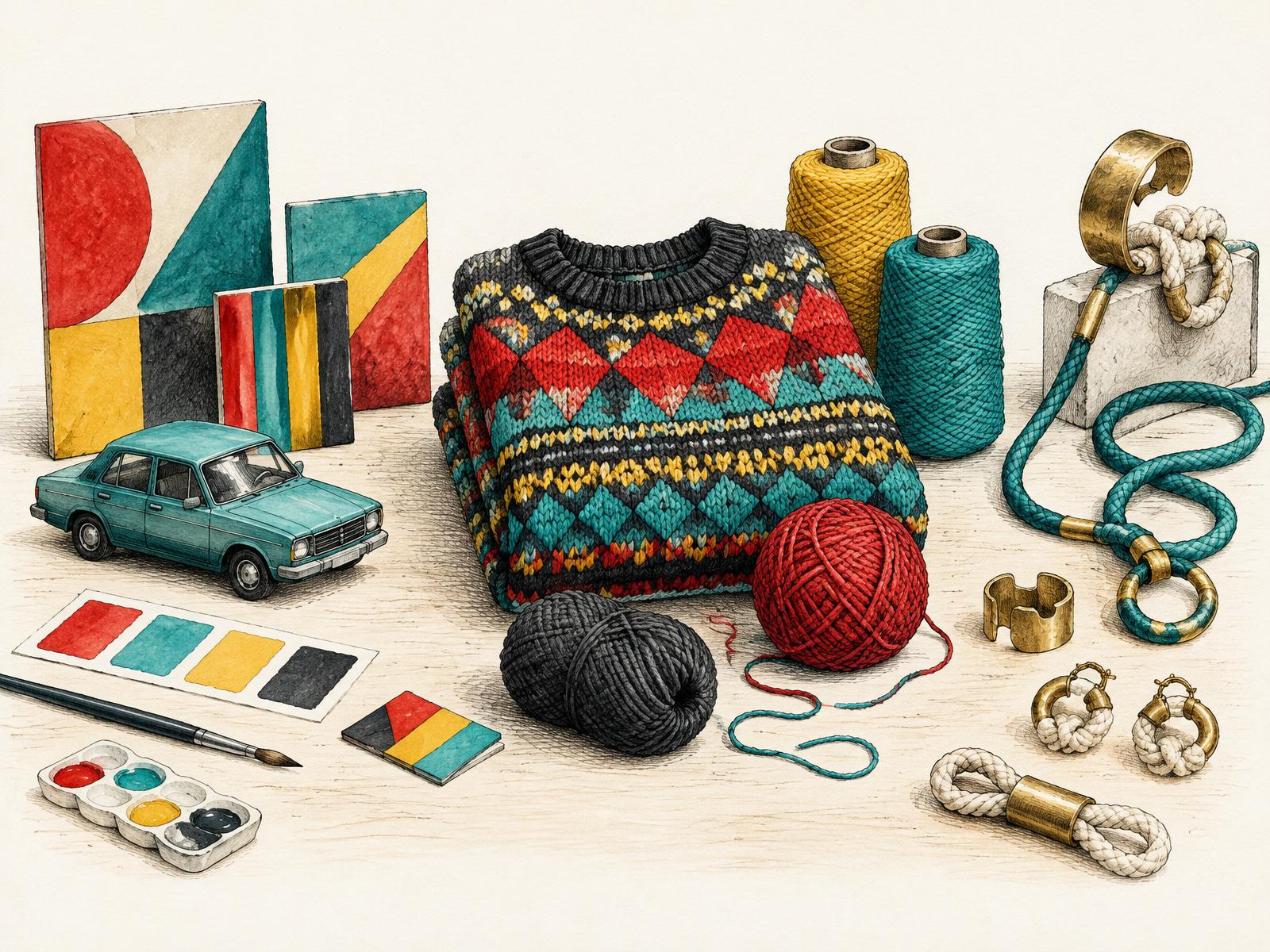
Three South African Creatives Who Made Us Look Twice
Esther Mahlangu, Laduma Ngxokolo and Katherine-Mary Pichulik show what happens when familiar skills and materials find an unexpected setting.
Al Chapo Tshabalala — 4 min

David and Goliath
Brandon Thomas brought AI to a software fight and gave creatives something to talk about
Al Chapo Tshabalala — 4 min