Choosing an Agency Is Like Voting, Except You Can Ask Who’s Doing the Work
An agency pitch is a campaign. The working relationship starts after the votes are counted — so ask who will actually be doing the work.
Al Chapo Tshabalala — 5 min
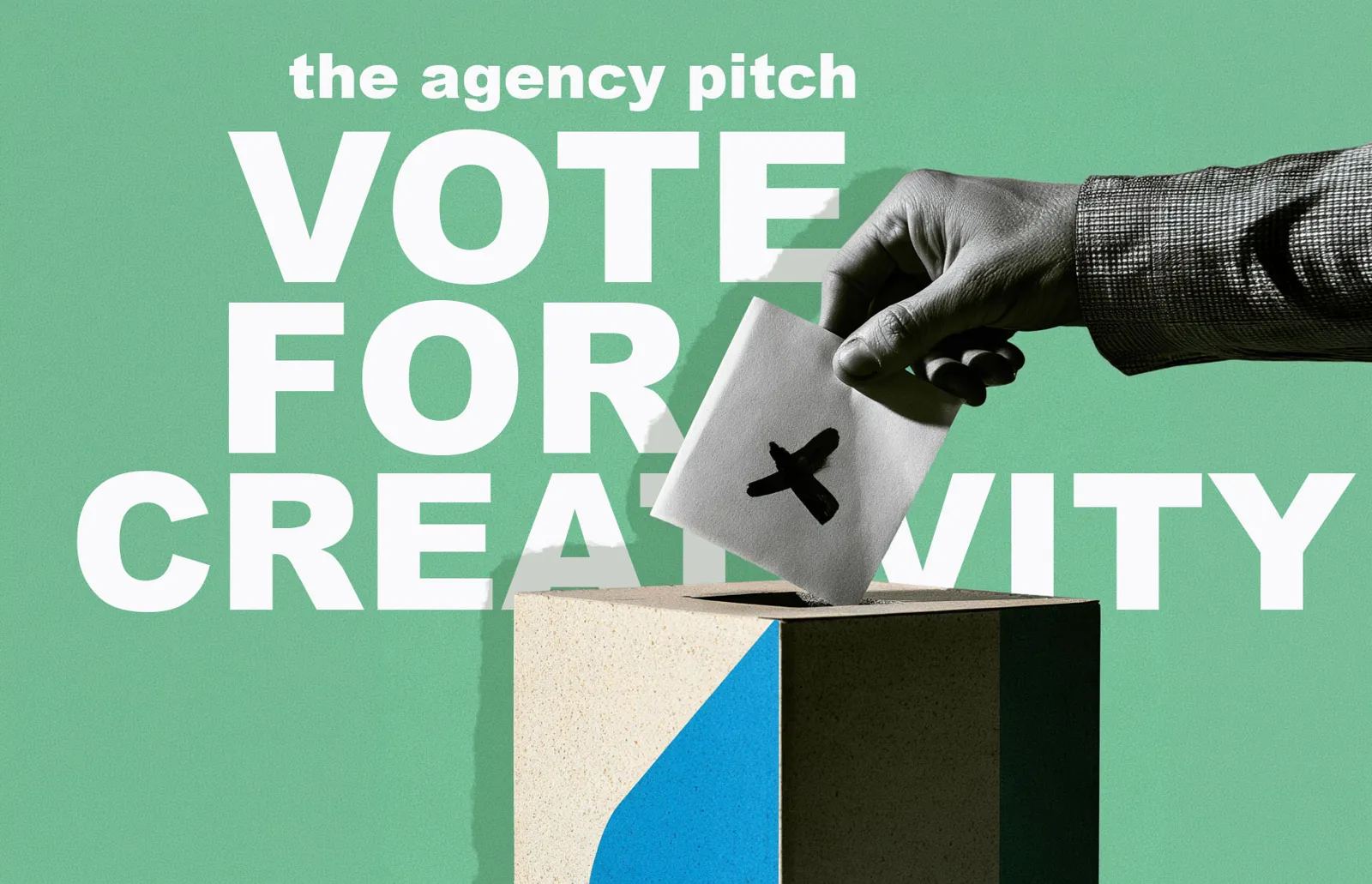
By slide six, every agency in the pitch believes in change. By slide twelve, they all have a bold vision for the future. By slide eighteen, somebody has promised to start a national conversation about your new range of bathroom tiles.
Then the presentation ends and the finance director asks the question that should probably have opened proceedings: “Who will actually be working on this?”
South Africa’s 2024 national election left no party with an outright majority in the National Assembly. The United States has just held its November 2026 midterms. Different elections, different stakes, but both make a useful backdrop for a question every business eventually faces: how do you choose between people who are very good at telling you what they’ll do once you choose them?
An agency pitch is a campaign. The working relationship starts after the votes are counted. Here’s how to think about both.
Read the manifesto with your actual problem in mind
Imagine a fictional South African business choosing an agency to help launch its first online shop. The first pitch offers a striking brand film. The second spends ten minutes asking how customers will know whether the business delivers to their suburb.
Both agencies may be good. But if the biggest obstacle is that people get to checkout and discover delivery is unavailable, the second team is asking a question worth answering before anyone hires a drone.
Write down the problem before the pitches start. Then ask each agency what it would do first, what it would need to find out and what it would leave for later. A useful answer should make it easier to picture what your team will be doing in the first month. If the plan only makes sense while someone is clicking through the deck, ask them to explain it again without the slides.
Meet the people who will take office
The pitch team is impressive. The creative director remembers everyone’s name. The strategist makes your business sound more interesting than it did when you explained it at the braai.
Now ask to meet the people you’ll work with on an ordinary Wednesday. Who will answer when a deadline moves? Who will make the work? Who can tell you what it will cost to change something?
Ask them to walk you through a project they worked on together, including a moment when things didn’t go to plan. You’ll learn more from hearing how they handled a late approval or a difficult production call than from watching another montage of their best work set to drums.
You can ask for references, too. Try asking a previous client what surprised them after signing. It’s a good way to find out whether the people in the room are the people you’ll see again.
Check the promises against the budget
Every campaign needs a memorable promise. In an agency pitch, that promise occasionally turns out to depend on a media budget nobody has mentioned yet.
Give shortlisted agencies the same budget and ask them to explain what it buys. How much goes to making the work? What’s available to get it in front of people? What happens if you need an extra round of changes? An agency that explains the trade-offs before you sign is doing you a favour. It’s much easier to decide whether you need six videos while they’re still six lines in a quote.
And be honest about your side of the deal. If every piece of work needs approval from four people and one of them only reads email on Thursdays, say so. The agency can build that into the schedule. Thursday is a perfectly respectable day; it just can’t be a surprise every week.
Decide how the coalition will work
Your new agency may need to work with an in-house team, a web developer, a media partner or a supplier who knows where the original logo lives. Get clear about who leads, who approves and who keeps everyone informed when the plan changes.
A useful pitch question is: “If our web team says your idea can’t be built in time, what happens next?” Listen for how the agency would involve the people doing the work, explain the options and help you decide. That conversation will tell you more about your future coalition than a slide with six interlocking circles.
For a closer look at how this plays out, read what happened when a quick client change became a lesson in teamwork.
Cast your vote for the working relationship
After the last pitch, compare your notes against the original brief. Which team understood the problem? Which showed relevant work and explained its part in it? Which gave you the clearest idea of what would happen once the contract was signed?
You’re allowed to enjoy the show. A brilliant presentation can be evidence that a team knows how to tell a story. Just give the same attention to the person who explains, plainly and without music, how they’ll get your work out the door.
If you’re building a shortlist, start with the CreH8ive agency directory. For more stories from both sides of the pitch table, sign up for The CreH8ive Times.
And when the winner is announced, by all means put the kettle on. The first thing your new coalition needs to agree on is who’s making tea.
Keep reading

Who Made the Ad and Why Is Their Name Missing
A good credit gives somebody’s work a name—and shows the rest of us how an advertising film worth watching actually got made.
Al Chapo Tshabalala — 4 min
Aarghh Is Where Your Daily Rage Goes
A website with a box for whatever is getting on your nerves: type out your daily rage, let it disappear and get on with your day.
Al Chapo Tshabalala — 4 min

Who Invented the Vuvuzela? South Africa Has More Than One Answer
A fan’s bicycle horn, a company’s plastic version and an older tradition: the vuvuzela’s origin story deserves more than one hearing.
Al Chapo Tshabalala — 4 min